

Author: admin

The Fourth Trimester and Mental Health: Building Your Postpartum Toolkit
The first weeks and months after giving birth can feel like navigating uncharted waters. While everyone focuses on your newborn, you’re experiencing profound physical and emotional changes that often go unacknowledged. This period, often called the “fourth trimester,” deserves as much attention as pregnancy itself—especially when it comes to your mental health.

Pregnancy Skincare: What’s Safe and What to Avoid
Is your once-predictable skin behaving differently now that you’re pregnant? You’re not alone. Many expectant mothers find themselves navigating unexpected skin changes while questioning which products in their bathroom cabinet remain safe for their growing baby.

The role of partners in postpartum recovery: From support to shared care
The moment a baby arrives, life transforms for everyone in the household. While much attention naturally focuses on the new mother and baby, partners play a crucial role that can dramatically impact the postpartum experience. Research shows that supportive partners contribute significantly to a smoother recovery, better mental health outcomes, and a more balanced transition to parenthood.

Is it safe? Sorting through common pregnancy wellness trends
Are you scrolling through social media, bombarded with wellness advice while pregnant? From cold plunges to herbal teas, it can feel overwhelming to separate legitimate practices from potentially harmful trends. Let’s explore what’s safe, what’s not, and what needs more research when it comes to popular pregnancy wellness practices.

Pregnancy and anxiety: Calming strategies for a peaceful mind
Have you been feeling a wave of worries wash over you since discovering you’re pregnant? You’re not alone. Up to 70% of pregnant women report experiencing symptoms of stress and anxiety during pregnancy, with anxiety levels peaking in the first trimester, affecting nearly 24% of expectant mothers.

Postpartum boundaries: How to protect your energy as a new mom
Becoming a mother is transformative, beautiful, and—let’s be honest—completely exhausting. While everyone focuses on the baby’s needs, your physical recovery and emotional wellbeing often take a backseat. Research indicates it takes roughly a full year for your body to reach a new equilibrium after pregnancy and childbirth, yet 40% of U.S. mothers return to work within just 6 weeks postpartum.

Postpartum mental health: How to recognize when it’s more than the baby blues
You’ve welcomed your baby into the world, but instead of feeling purely joyful, you’re experiencing a rollercoaster of emotions. Tearfulness, anxiety, irritability—these feelings can be confusing and frightening when you expected motherhood to bring only happiness. If this sounds familiar, you’re not alone. Nearly 25% of women experience postpartum depression up to one year after childbirth, according to [research](https://home.beginning.com/blog/post-pregnancy/early-postpartum-support-first-six-weeks-after-birth-postpartum-emotional-needs/).

Why online pregnancy courses are becoming the go-to for expecting moms
Pregnancy is a transformative journey filled with excitement, questions, and sometimes, uncertainty. As technology reshapes our daily lives, it’s also revolutionizing how expecting mothers prepare for childbirth and parenthood. Online pregnancy courses have emerged as powerful alternatives to traditional in-person classes, offering unique advantages that resonate with today’s parents-to-be.
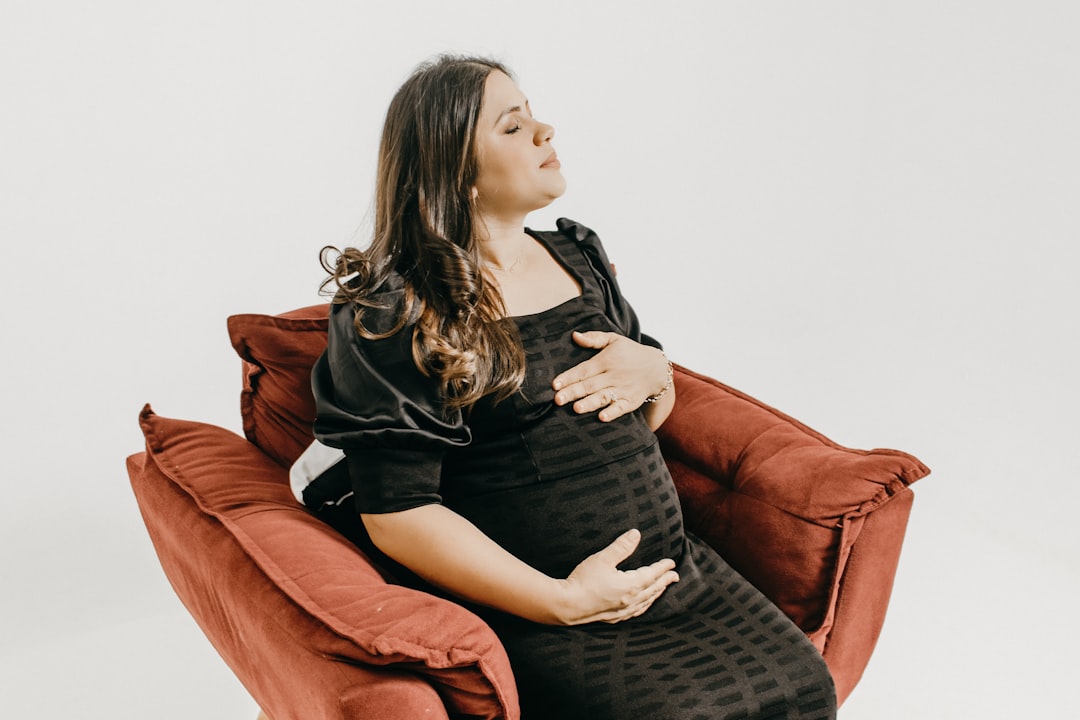
The science of pregnancy fatigue: why you’re so tired and how to cope
You’re growing a human being. Your body is working overtime, and you’re exhausted in ways you never imagined possible. If you find yourself wondering why simply existing feels like running a marathon these days, you’re not alone. Research shows an overwhelming 94.2% of pregnant women experience fatigue during pregnancy, with some studies placing this number as high as 98%.

Nutrition myths in pregnancy: Separating fact from fiction
Pregnancy often brings a flood of well-meaning advice about what to eat and what to avoid. Unfortunately, much of this guidance is based on outdated information or cultural myths rather than scientific evidence. As you navigate these crucial nine months, understanding the difference between nutrition facts and fiction becomes essential for both your health and your baby’s development.