

Blog
- Baby's Health
- Beauty & Lifestyle
- Better Sleep
- Fertility
- Giving Birth
- Health & Wellness
- Home Designing
- LGBTQ+ Community
- Love & Romance
- Menopause
- Menstrual Cycle
- Mental Health
- Mindfulness
- Motivation & Inspiration
- Nutrition
- Parenthood
- Passion
- Post Pregnancy
- Pregnancy
- Relationships
- Science
- Spirituality
- Sport & Fitness
- Uncategorized
- Wisdom of Healing
- World Travel

Pregnancy cravings: what they really mean and how to manage them
Ever found yourself desperately craving pickles dipped in ice cream at 2 AM while pregnant? You’re not alone. Between 50-90% of pregnant women experience food cravings, making this one of pregnancy’s most common and sometimes bewildering experiences.

From pregnancy to postpartum: Why holistic education beats quick fixes
Are you overwhelmed by the countless pregnancy tips, birth hacks, and postpartum survival guides flooding your social media feeds? You’re not alone. Many expectant parents find themselves jumping from one quick fix to another, collecting fragments of advice without a cohesive framework to understand their journey.
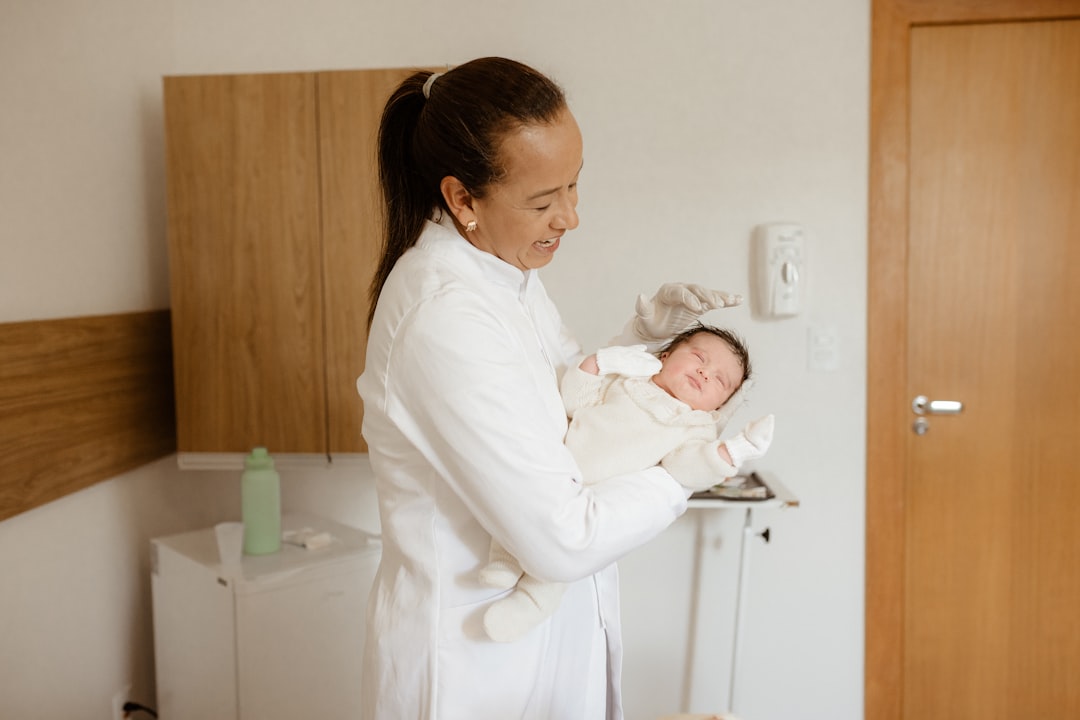
The hidden cost of ignoring postpartum support in the workplace
When new mothers return to work after childbirth, they face a challenging transition that many workplaces fail to adequately support. While companies often celebrate baby showers and send congratulatory messages, the critical postpartum period remains largely unaddressed in workplace policies. This oversight isn’t just a personal challenge for new mothers—it represents a significant business cost that employers can no longer afford to ignore.

Supporting pregnant employees: Why workplace flexibility matters more than ever
Pregnancy brings joy, anticipation, and significant physical and emotional changes. For the nearly 70% of women who continue working while pregnant, these changes create unique workplace challenges that traditional work environments aren’t always equipped to address.
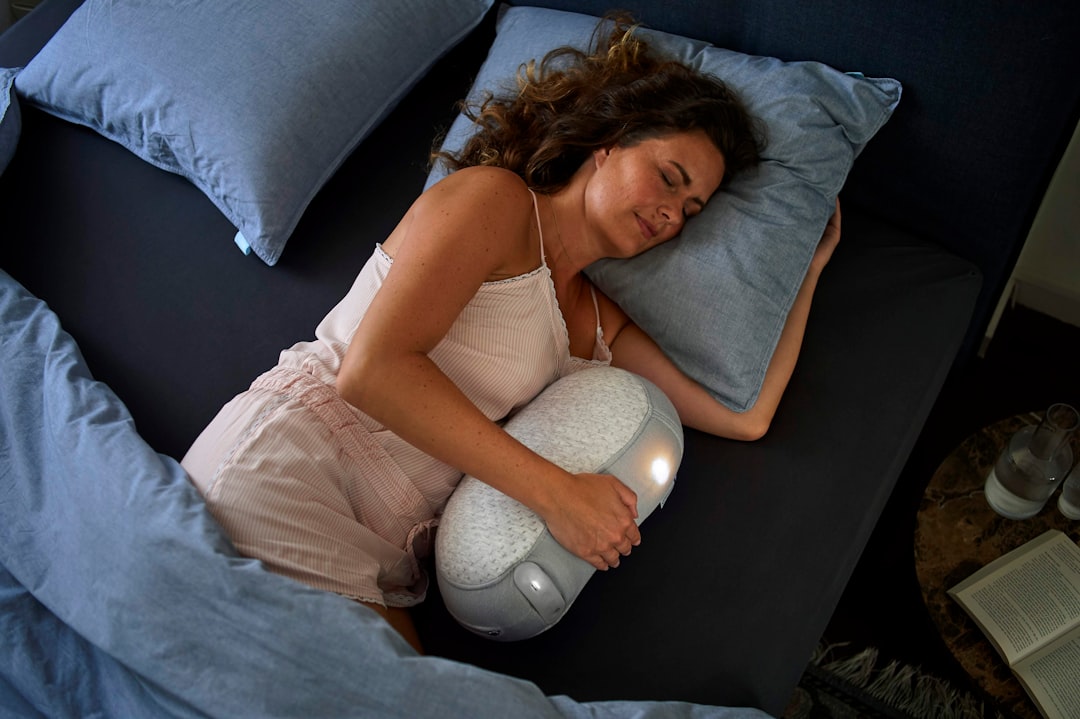
Better Sleep for Moms-to-Be: Science-Backed Strategies That Actually Work
Are you counting sheep instead of counting kicks? You’re not alone. The irony of pregnancy isn’t lost on most expectant mothers—just when your body needs rest the most, sleep becomes frustratingly elusive.
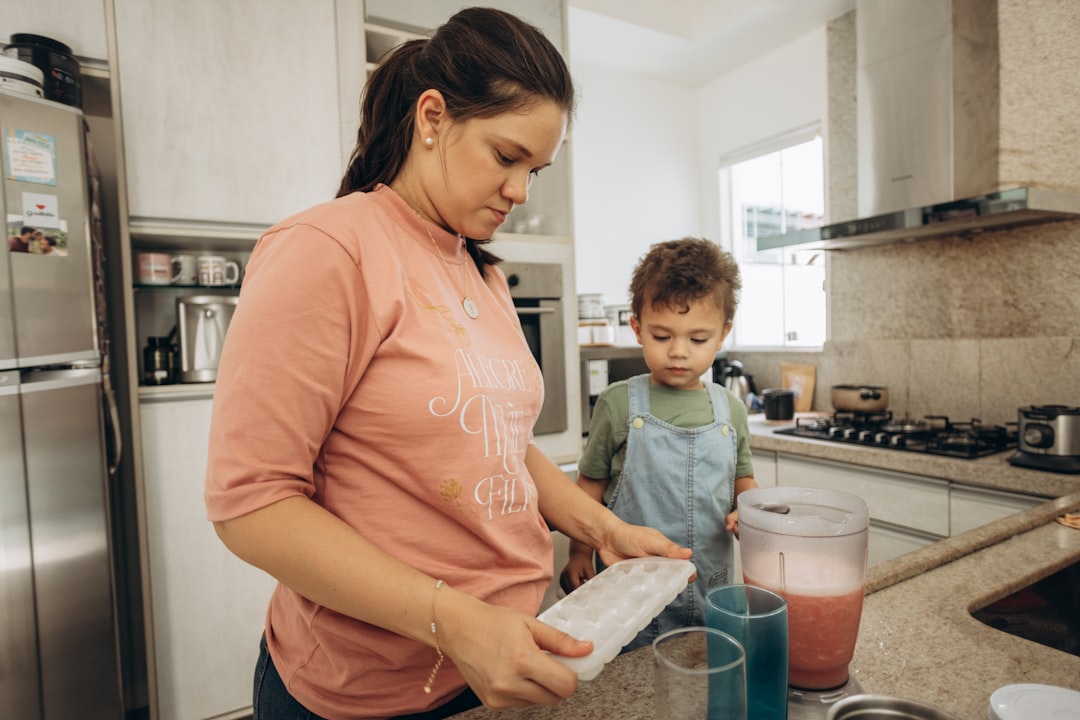
Why postpartum recovery starts during pregnancy
Pregnancy is often viewed as a journey toward childbirth, with postpartum recovery treated as a separate chapter that begins after delivery. But what if the groundwork for a smoother postpartum experience could be laid months before your baby arrives? The truth is that how you prepare during pregnancy directly influences your recovery after birth.
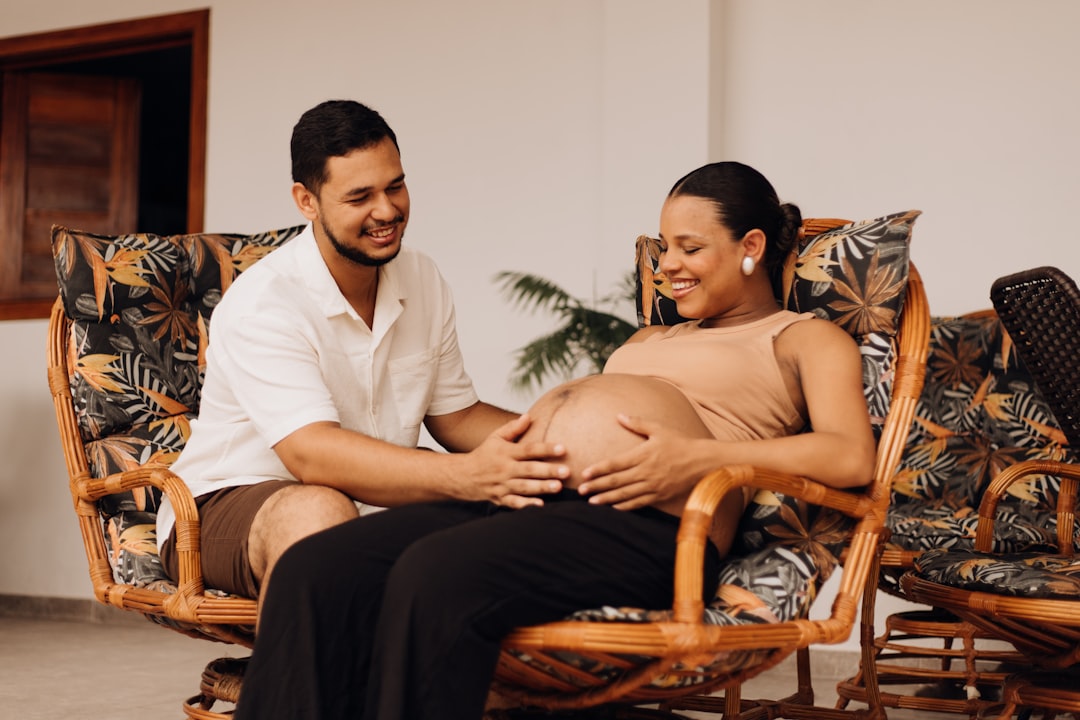
Preparing for Labor and Delivery: How Our Course Gives You Tools for ‘The Moment’
When you’re expecting, few thoughts loom larger than “the moment” itself—labor and delivery day. Between the excitement, anticipation, and yes, some natural anxiety, preparing for childbirth can feel overwhelming. You want to feel confident, but with so much information available, where do you even start?
Inside the Pregnancy Course: How Expert-Led Classes Transform Your Journey
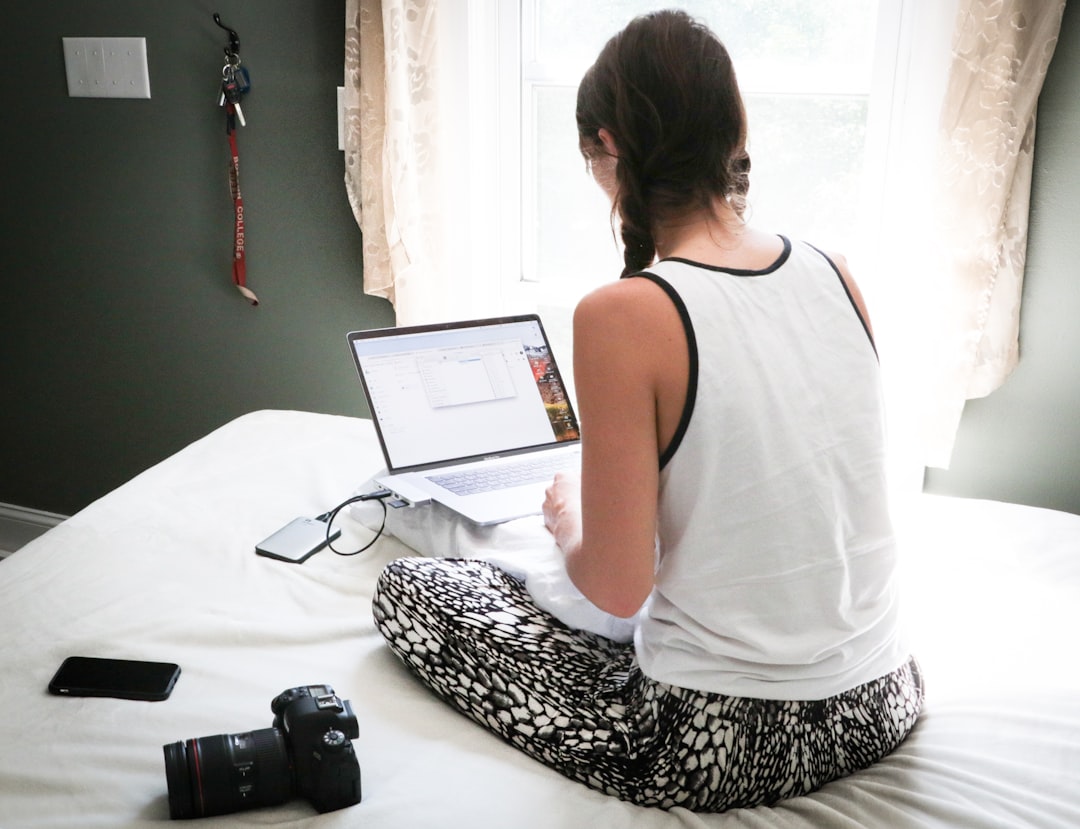
Preparing for pregnancy is like studying for the most important exam of your life—except there’s no definitive textbook, the syllabus keeps changing, and the stakes couldn’t be higher. With so much conflicting advice available online, finding reliable guidance can feel overwhelming.

Postpartum anxiety vs. postpartum depression: how to tell the difference
After childbirth, many new mothers experience significant emotional changes. While the “baby blues” affect up to 80% of new mothers and typically resolve within two weeks without treatment, more persistent mental health challenges can develop. Understanding the difference between postpartum anxiety (PPA) and postpartum depression (PPD) is crucial for getting appropriate support.
Digital Health in Motherhood: Can Apps Replace Traditional Support?
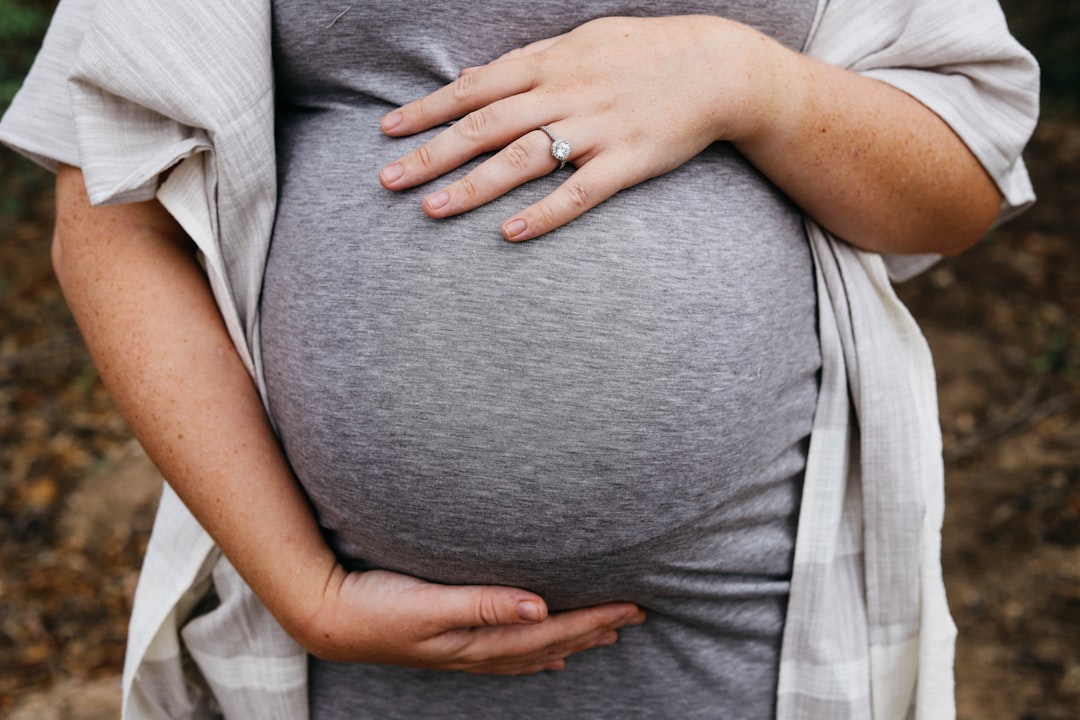
In an era where we manage everything from banking to fitness through our smartphones, it’s no surprise that pregnancy and postpartum care have gone digital too. With maternal care deserts growing and over 40% of U.S. births covered by Medicare and Medicaid, digital solutions are filling critical gaps. But can an app truly replace the reassuring touch of a midwife or the communal support of a mothers’ group?

The overlooked connection between nutrition and postpartum mood
Imagine this: You’ve just navigated pregnancy, labor, and delivery—one of the most physically demanding experiences of your life. Your body is recovering, hormones are fluctuating dramatically, and you’re adjusting to life with a newborn. Amid the whirlwind of these changes, your mental health becomes particularly vulnerable. Yet in conversations about postpartum recovery, one crucial factor often gets neglected: nutrition.

How to sleep better during pregnancy and postpartum: what science really says
Sleep is precious—especially when you’re growing or caring for a new human. If you’re struggling with sleep during pregnancy or after birth, you’re not alone. Research shows that up to 78% of pregnant women report disturbed sleep, with problems peaking in the third trimester.
Why the first 6 weeks after birth set the tone for long-term recovery
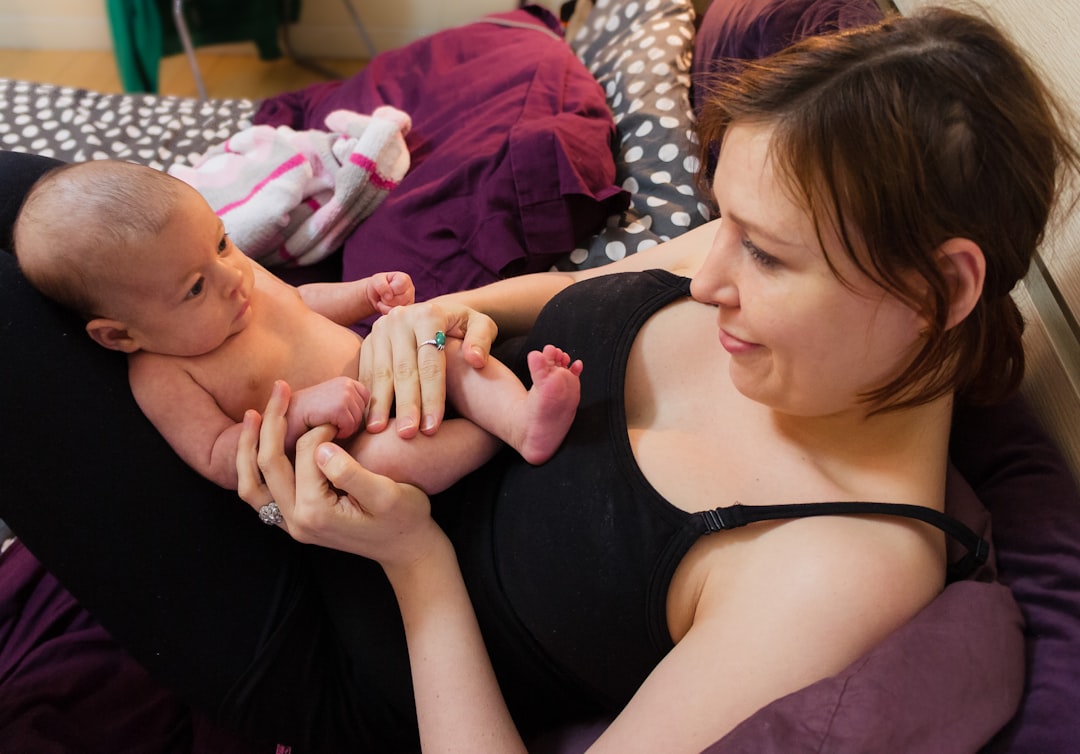
The journey into motherhood doesn’t end with childbirth—in many ways, it’s just beginning. The first six weeks after giving birth represent a critical period that can profoundly impact a mother’s physical healing, emotional wellbeing, and long-term recovery. Yet in a culture that often rushes new mothers back to “normal life,” these crucial weeks rarely get the attention they deserve.

Bump-flashing is the new maternity chic — why it’s more than just a fashion statement
The shapeless tent dresses and oversized t-shirts of pregnancy past are officially retired. Today’s expectant mothers aren’t hiding their bumps—they’re flaunting them with pride, confidence, and serious style. The rise of “bump-flashing” represents a profound shift in how society views the pregnant form, transforming it from something to conceal to something worth celebrating.

U.S. Maternal Mortality: What’s Going Wrong and What Could Fix It
In a nation with some of the world’s most advanced medical technology, an alarming reality persists: the United States has one of the highest maternal mortality rates among developed countries. At 18.6 deaths per 100,000 live births in 2023 (down from 22.3 in 2022), the U.S. rate still dramatically exceeds peer nations like the UK (6.5) and Canada (7.2), where mothers are significantly less likely to die from pregnancy-related causes.