

Blog
- Baby's Health
- Beauty & Lifestyle
- Better Sleep
- Fertility
- Giving Birth
- Health & Wellness
- Home Designing
- LGBTQ+ Community
- Love & Romance
- Menopause
- Menstrual Cycle
- Mental Health
- Mindfulness
- Motivation & Inspiration
- Nutrition
- Parenthood
- Passion
- Post Pregnancy
- Pregnancy
- Relationships
- Science
- Spirituality
- Sport & Fitness
- Uncategorized
- Wisdom of Healing
- World Travel
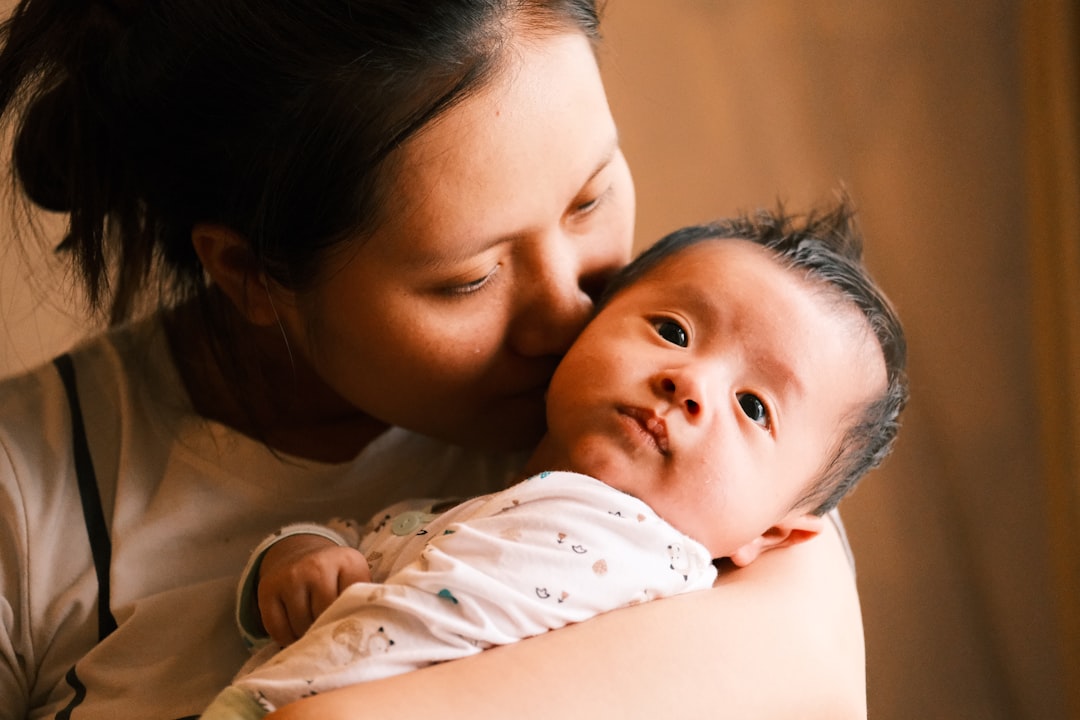
New postpartum guidelines: Too much, too soon—or just right?
Ever glanced at postpartum health recommendations and thought, “Who has time for this?” You’re not alone. The latest postpartum guidelines have sparked both praise and criticism, leaving many new mothers wondering if these standards are realistic or simply another item on an impossible to-do list.
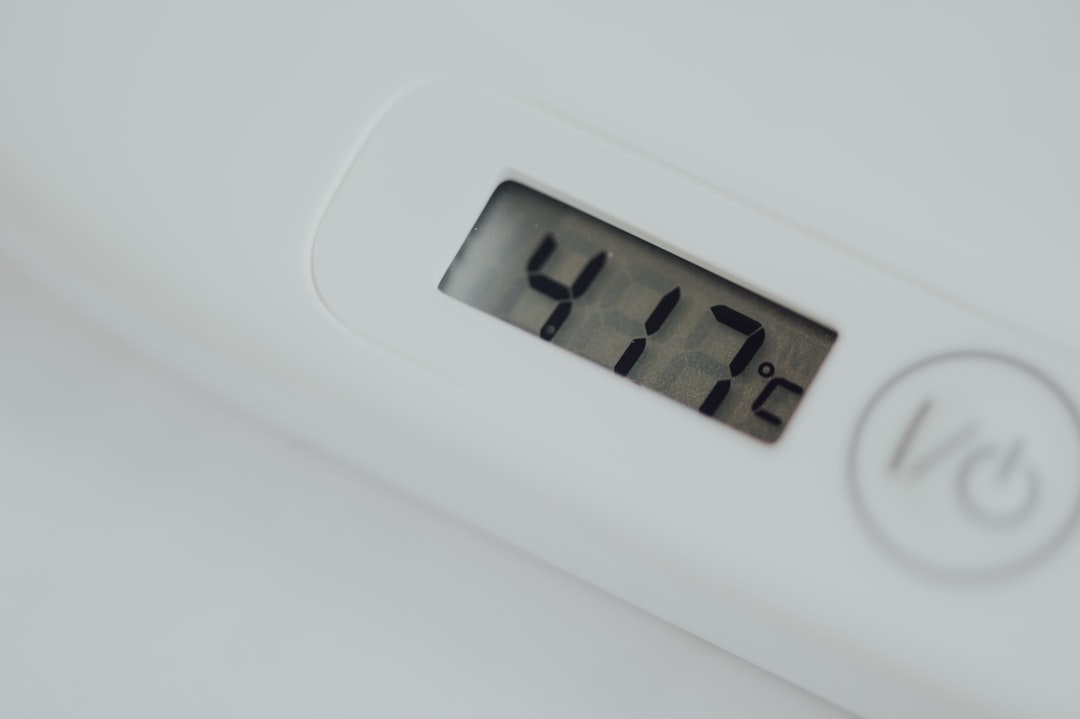
Why postpartum women prefer cooler temperatures—and what that means for your comfort
That uncomfortable, sweaty feeling after giving birth isn’t just in your head. New research reveals that your postpartum body temperature preferences are actually driven by real changes in your brain—and understanding this shift can make your recovery significantly more comfortable.
AI That Detects Postpartum Depression in Real Time? The Future Is Here
Imagine speaking to your smartphone for just a few minutes and receiving immediate feedback about your postpartum mental health. This isn’t science fiction—it’s rapidly becoming reality thanks to groundbreaking research combining artificial intelligence with maternal health care.

What new moms really need in weeks 1–6: Insights from recent research
The first six weeks after childbirth are transformative—physically, emotionally, and socially. While much focus goes to preparing for birth, the postpartum period often catches new mothers by surprise with its intensity and complexity. Recent research reveals concerning gaps in postpartum support that affect maternal wellbeing during this critical adjustment period.

Could psychedelic treatment be a breakthrough for postpartum depression?
Can a single dose of a psychedelic drug effectively treat postpartum depression in just one week? Recent clinical trial results suggest this revolutionary approach might transform maternal mental health care, offering hope to women struggling during one of life’s most vulnerable transitions.

On-demand midwives: The new bridge between NHS and private prenatal care
Have you ever wished for more personalized attention during your pregnancy journey? You’re not alone. While the NHS provides essential care for expectant mothers across the UK, many women find themselves craving more time, continuity, and personalized support than standard appointments can offer.
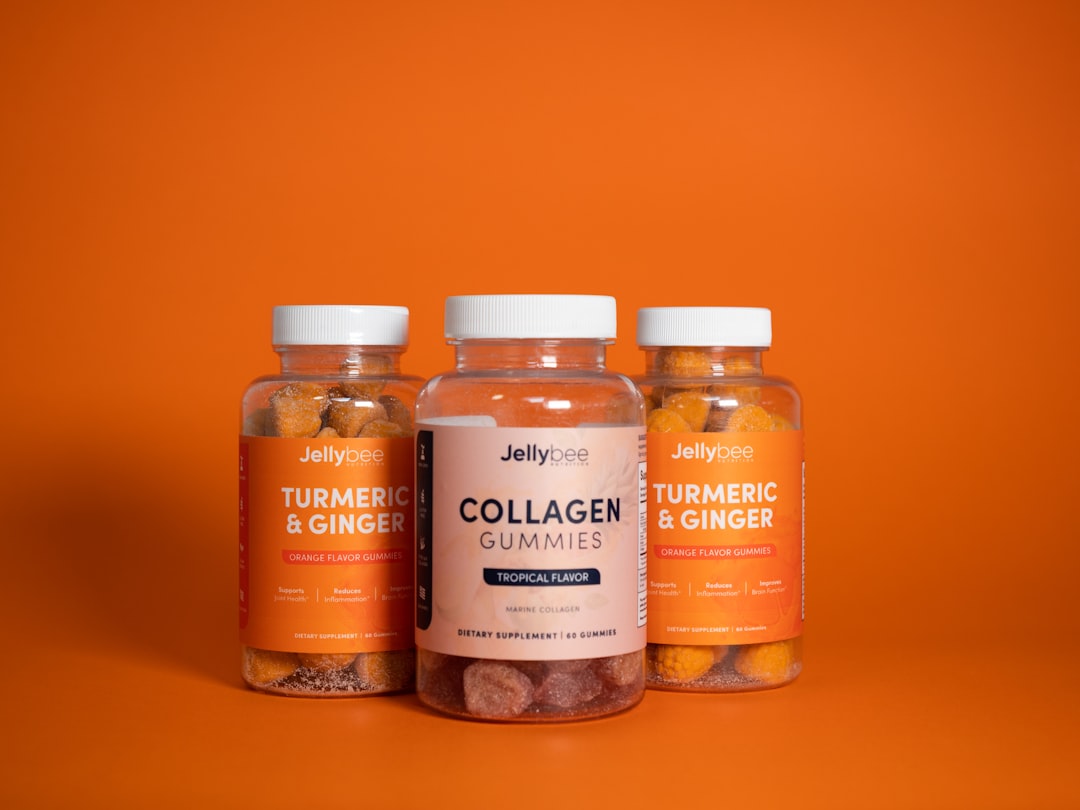
Can a trending supplement help improve postpartum hair & skin? What to know before you try it
Are you noticing more hair in your shower drain or skin that’s lost its pregnancy glow? You’re not alone. As new mothers navigate the physical changes that come after childbirth, many are turning to a buzzy new wellness trend: colostrum-collagen supplements. But do they actually work? Let’s separate the hype from the reality.
Can apps really fix your sleep? What science says about insomnia solutions
Are you staring at the ceiling at 3 AM, wondering if that sleep app you downloaded might actually help? You’re not alone. With pregnancy often bringing disrupted sleep patterns and postpartum life leaving many women desperate for rest, the promise of a digital solution seems appealing—but does science support these claims?
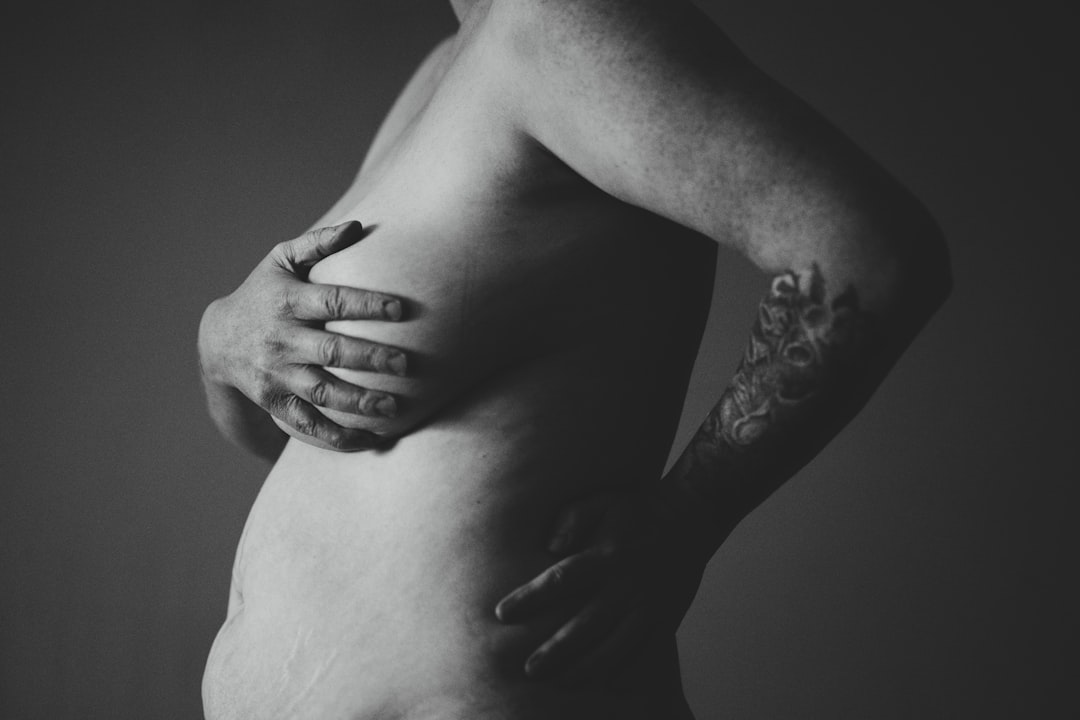
Postpartum body image: Why celebrities like Kylie Kelce are speaking truths that matter
When Philadelphia Eagles center Jason Kelce’s wife Kylie recently confessed, “My body doesn’t feel like my body,” she captured what countless new mothers experience in the postpartum period. After giving birth to her third child, Kylie has been refreshingly candid about wearing maternity jeans weeks after delivery and the physical toll of recovery—giving voice to a reality that often gets glossed over in our highlight-reel culture.
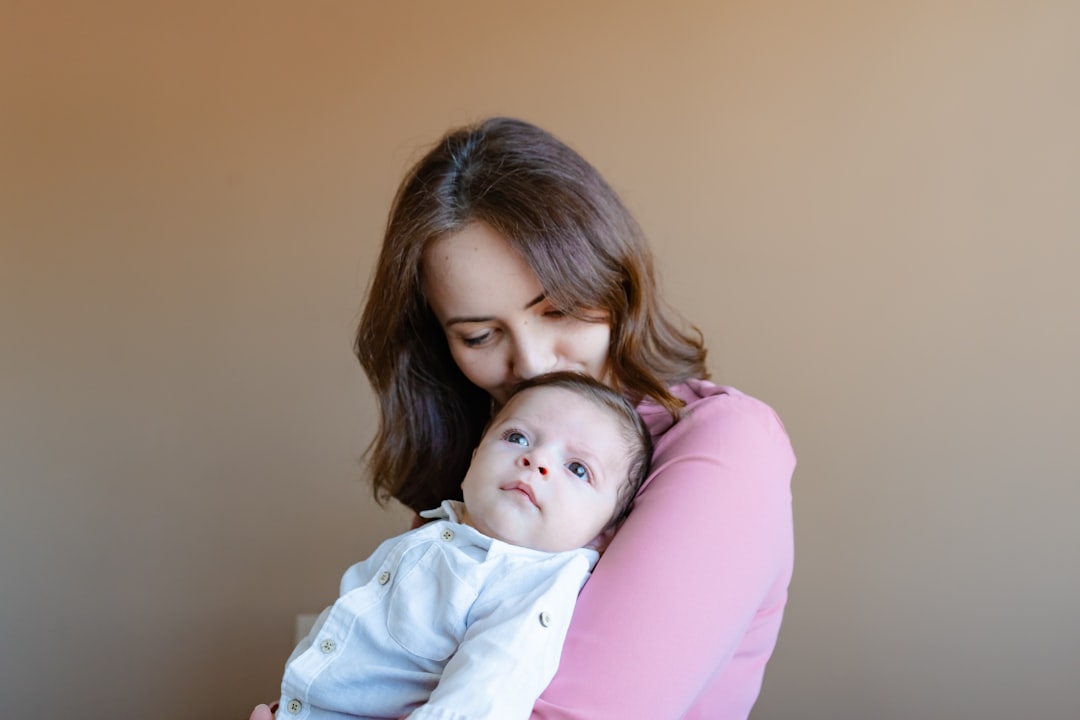
Understanding postpartum depression: Lifestyle changes + when to ask for help
The joy of welcoming a new baby can sometimes be overshadowed by unexpected emotional challenges. If you’re experiencing persistent sadness, anxiety, or disconnection after giving birth, you’re not alone—and you’re not failing as a mother. These feelings might be signs of postpartum depression (PPD), a serious but treatable condition affecting many new mothers.
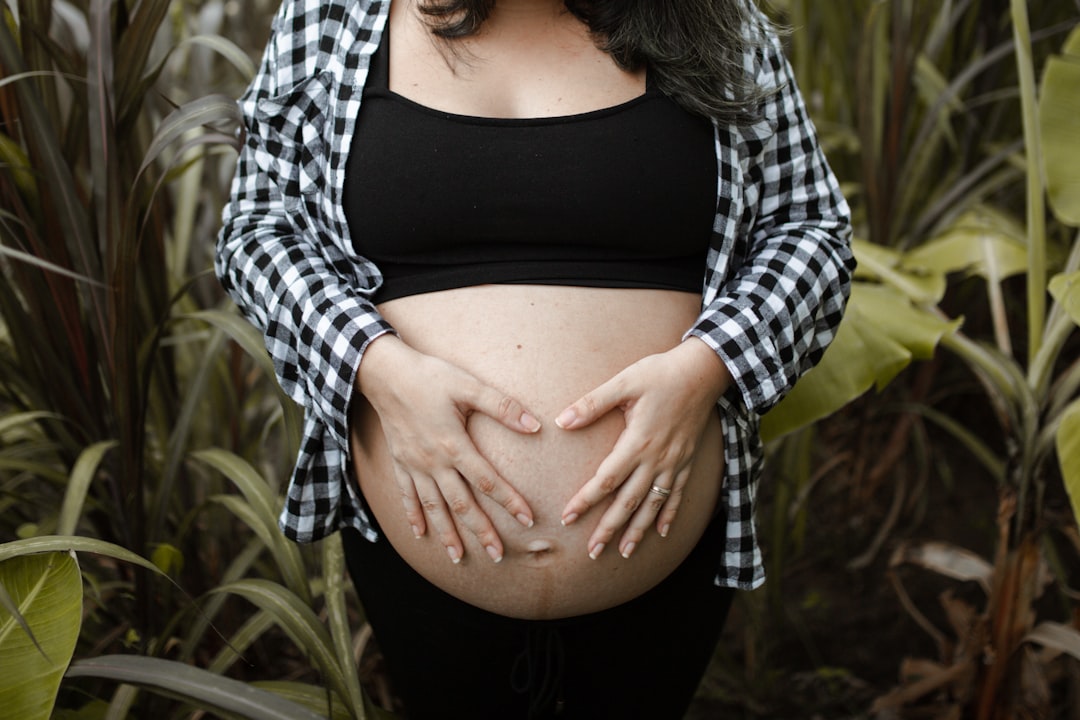
Do postpartum belly bands & wraps help with recovery? Here’s what the experts say
If you’ve scrolled through social media during your pregnancy or postpartum journey, you’ve likely spotted influencers and new moms sporting belly bands or wraps. These supportive garments have surged in popularity, with the global belly band market estimated to reach $500 million by 2025, according to [Data Insights Market](https://www.datainsightsmarket.com/reports/belly-band-1313202).

Why ‘nesting parties’ are replacing baby showers — and how to plan one that truly helps
Traditional baby showers often leave expectant parents with piles of duplicate gifts but little practical preparation for bringing baby home. What if your pre-baby celebration actually prepared you for parenthood instead of just adding clutter?
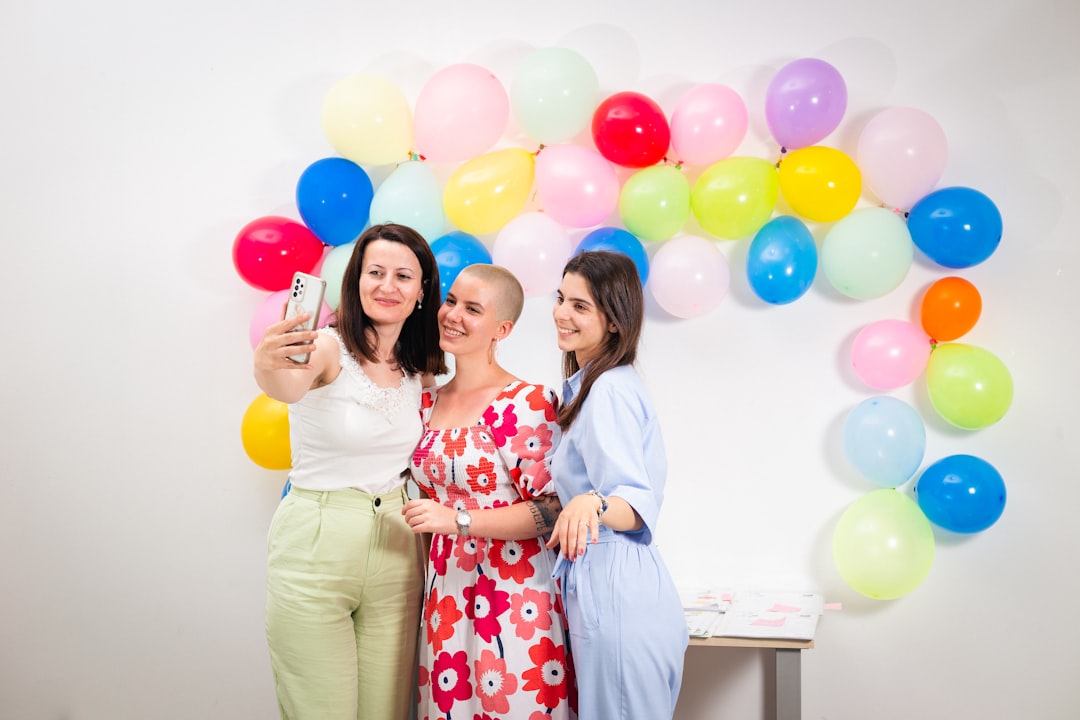
Why push presents are the new postpartum trend—and how to choose one that truly celebrates you
You carried life, endured the unknown, and did something extraordinary. No wonder more families are marking the moment with a thoughtful push present—a gift that acknowledges the physical and emotional journey of pregnancy and birth.

The pregnancy sleep guide: why you’re tossing and turning—and how to fix it (backed by science)
Can’t remember the last time you slept through the night? You’re not alone—and you’re not doing anything wrong. Up to 78% of pregnant women report disturbed sleep, with problems peaking in the third trimester. Here’s what’s going on in your body, how it affects your health, and practical, science-backed ways to sleep better.
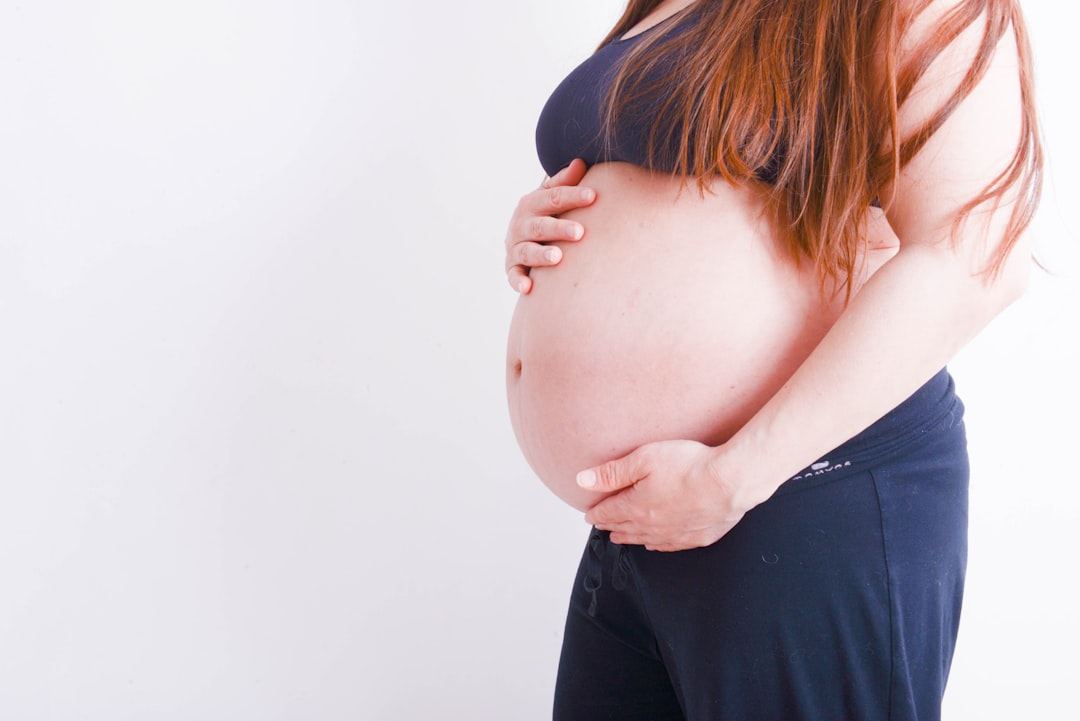
Nutrition through the trimesters: what to eat before, during, and after pregnancy for a healthier mom & baby
Feeling unsure about what to eat while pregnant—or before you even see two lines? You’re not alone. Most women miss key food groups during pregnancy, with studies showing 64% don’t meet fruit intake recommendations and over 90% fall short on vegetables. Yet simple, food-first tweaks can meaningfully support you and your baby’s development. This guide breaks down pregnancy nutrition by stage with practical tips you’ll actually use.